
June 15, 2026
5 Clear Warning Signs Your Car Clutch is Failing
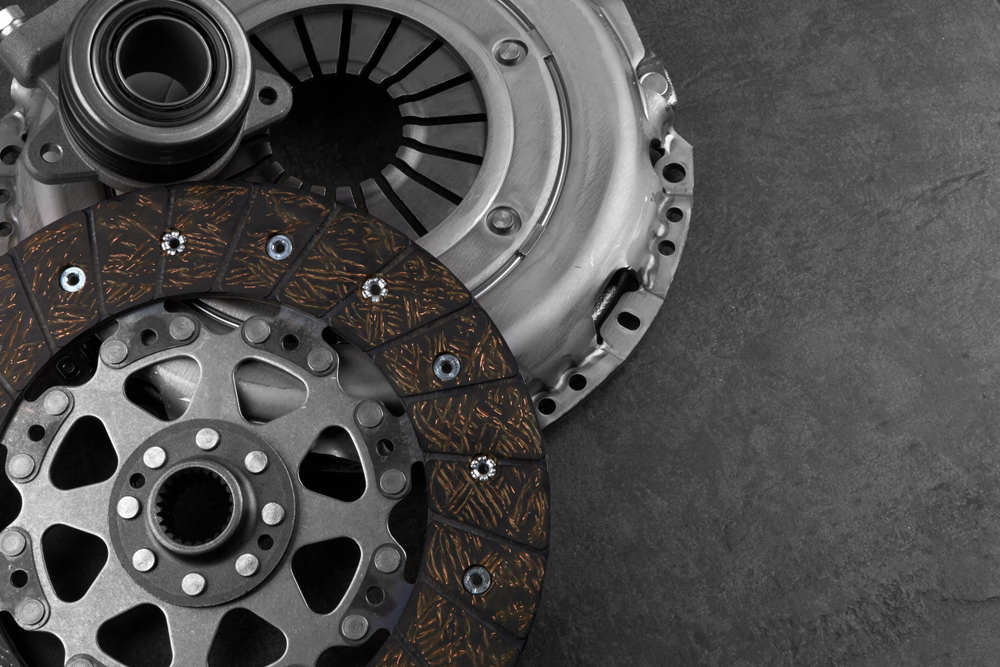
Your car’s clutch is one of its most essential mechanical components. It sits between the engine and the transmission, giving you control over how engine power is transferred to the wheels during gear changes. Every time you press the clutch pedal and shift gears, this system absorbs significant friction and mechanical stress.
Over time, that constant wear takes a toll. A clutch that is starting to fail does not always announce itself with a sudden breakdown. More often, it sends subtle signals long before it gives out completely. Learning to recognize these early warning signs can save you from a dangerous situation on the road and protect you from far more expensive repairs down the line. The good news is that your vehicle will usually give you specific sensory clues through sound, smell, or feel before the clutch fails entirely.
5 Signs Your Car Clutch Is About to Fail
Sign #1: The Clutch Is Slipping
Clutch slipping is one of the most recognizable signs car clutch failure is on the way. You will notice it when your engine revs climb higher than they should, but your vehicle does not actually accelerate to match. In other words, the RPM needle rises while your speed stays flat or lags behind noticeably.
This happens because the clutch disc has worn down to the point where it can no longer grip the flywheel firmly enough to transfer engine power to the drivetrain. Think of it like a worn-out brake pad that no longer makes solid contact with the rotor. The slipping may be subtle at first, only appearing under hard acceleration or when climbing a hill, but it tends to worsen quickly as the disc continues to deteriorate. If you are also noticing issues beyond the clutch, our guide on the most common causes of automatic transmission slipping can help you understand whether you may be dealing with a broader drivetrain problem.
Sign #2: Difficulty Shifting Gears
A healthy clutch should allow you to move through gears smoothly and with relatively little resistance. When the clutch begins to fail, shifting can become a frustrating experience. You may feel unusual stiffness when moving the gear stick, or worse, a grinding sensation that signals the gears are not fully disengaging before you attempt the shift.
This problem is often most obvious when trying to engage first gear from a stop or when putting the car into reverse. In some cases, the vehicle may even resist going into gear at all. Grinding during shifts is not just uncomfortable; it also accelerates wear on the transmission itself. For a closer look at what improper gear engagement can mean for your vehicle, take a look at these signs your car is not shifting properly.
Sign #3: A Noticeable Burning Smell
If you catch a sharp, acrid smell after driving in heavy traffic or navigating a steep hill, do not ignore it. A failing clutch generates intense heat through friction, and that heat produces a distinctive odor that is often compared to burning rubber or scorched paper. It can be especially strong after situations where you may have been riding the clutch pedal, such as slow-moving stop-and-go traffic or repeated hill starts.
Beyond the unpleasant smell, this level of heat is actively damaging your vehicle. Prolonged overheating from a slipping clutch can warp or permanently damage the flywheel, which is a costly component to replace. It can also affect the pressure plate and other surrounding drivetrain parts, turning what might have been a manageable clutch replacement into a much more expensive repair job.
Sign #4: Changes in Clutch Pedal Feel
Pay close attention to how the clutch pedal feels underfoot, because changes in pedal behavior are reliable indicators of wear or mechanical trouble. A pedal that feels unusually soft or spongy when pressed may point to a problem with the hydraulic system, such as low fluid or a failing master cylinder. Conversely, a pedal that has become stiff or difficult to push down can signal worn mechanical linkages.
Another telling sign is a high engagement point. If the clutch only catches right at the very top of the pedal’s travel rather than somewhere in the middle, it is a strong signal that the clutch disc is nearly worn through and requires immediate attention. Some drivers also experience the pedal sticking to the floor after being pressed, which means the clutch is not releasing properly. Any significant change from what the pedal normally feels like is worth having a mechanic inspect promptly.
Sign #5: Unusual Noises During Operation
Your clutch should operate quietly. When it starts making noise, that is your vehicle’s way of telling you something has gone wrong internally. Squealing, chirping, or rattling sounds that occur specifically when you depress the clutch pedal are among the clearest signs car clutch failure may be imminent.
These noises most commonly point to a failing throwout bearing, also called a release bearing, which is the component that contacts the pressure plate when you press the pedal. A worn or damaged throwout bearing will often produce a high-pitched squeal or grinding noise during that moment of contact. Left unaddressed, a failed throwout bearing can cause cascading damage to the pressure plate and other components. Unusual clunking or rattling can also suggest loose hardware or a damaged clutch fork. If the noises are accompanied by shifting trouble, it may be worth reviewing these warning signs of transmission failure to rule out any connected issues.
Is Your Car Worth Repairing? Or Is It Time to Let It Go?
Recognizing the signs your car clutch is failing is an important first step, but the next question is just as critical: is repairing it still a practical investment? A clutch replacement can range from a few hundred to over a thousand dollars depending on your vehicle’s make and model. If your car is already dealing with high mileage, rust, or other significant mechanical issues alongside a failing clutch, the repair costs can quickly exceed what the vehicle is actually worth.
If you find yourself in that situation, donating your vehicle to Veteran Car Donations is a meaningful way to give your old car a second life. Rather than sinking more money into a vehicle that may not last, you can transition it into a resource that directly helps others.
Here is how the process works: once you donate your vehicle, our team arranges free towing from anywhere in the country. The vehicle is then auctioned off, and the proceeds go directly to our network of IRS-certified 501(c)(3) nonprofit partners. These organizations are dedicated to supporting veterans who are homeless, living in poverty, struggling with service-connected disabilities, or working to find stable employment after leaving the military.
The funds raised through vehicle donations help our nonprofit partners provide their veteran beneficiaries with a wide range of vital services, including housing and financial assistance, job training and employment opportunities, quality healthcare and medical treatment, mental health and psychotherapy services, family support programs, and educational scholarships. For veterans navigating some of the most difficult chapters of their lives, these programs can be truly life-changing.
As a donor, you also receive meaningful benefits. You will be eligible for a significant tax deduction based on the sale price of your donated vehicle, and we will send you the tax-deductible sales receipt within a few days of the sale. The donation process itself is simple and paperless. Our team handles the logistics so that you do not have to.
We accept nearly all types of vehicles, including cars, trucks, vans, SUVs, RVs, boats, and specialty vehicles, even those that are no longer running or in less-than-ideal condition. If you have questions about whether your vehicle qualifies, our FAQs page covers everything you need to know, or you can reach us directly at 877-594-5822.
Donating your old vehicle is one of the most straightforward ways to make a real difference in the life of a veteran. If your clutch or other major components are failing and repairs no longer make financial sense, contact Veteran Car Donations today and turn your unwanted car into hope for those who have served our country.